Pet Panic
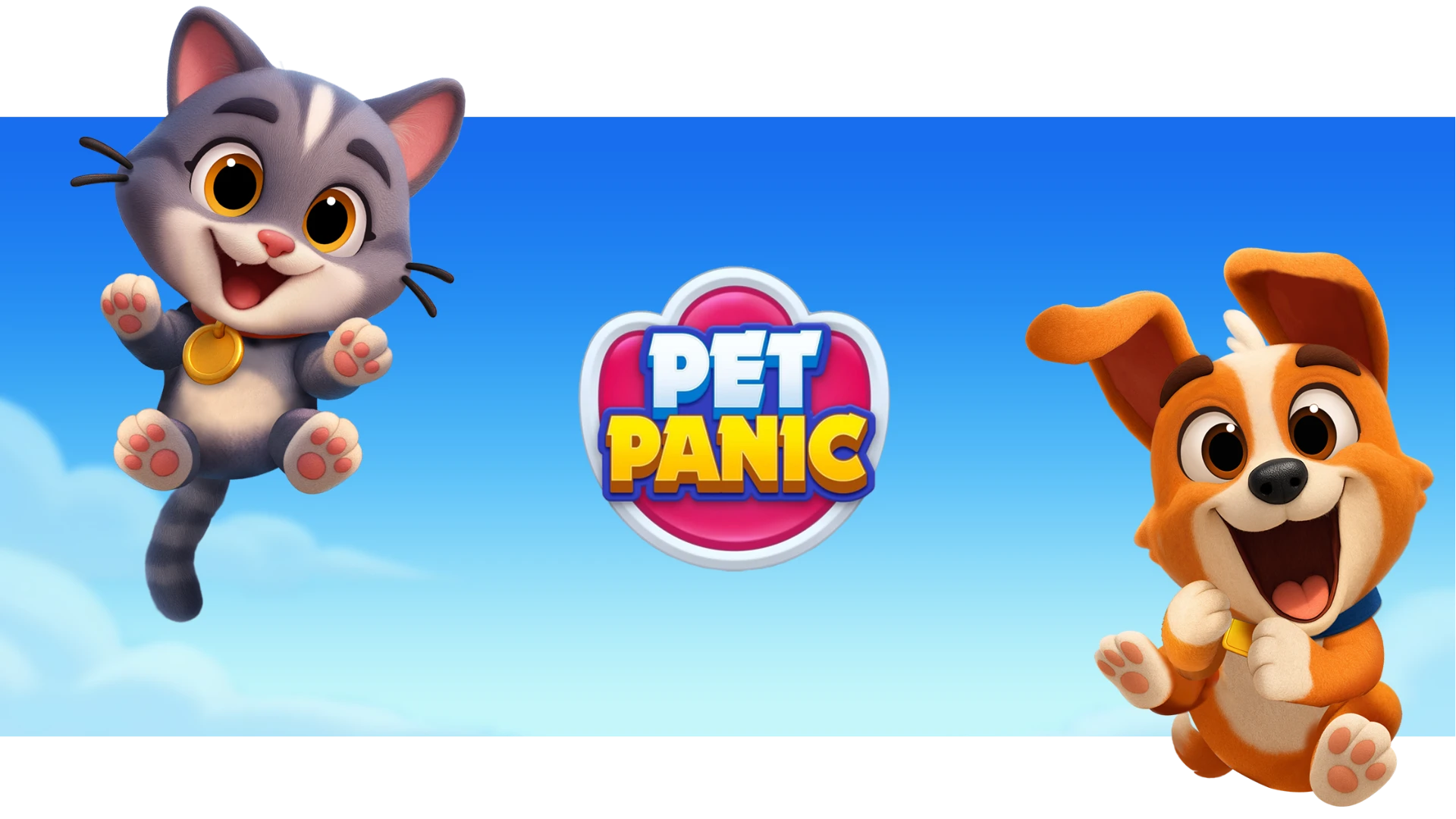
A match-3 game about rescuing Luna the cat and Buddy the dog — and the character animation system that brought them, and thousands of player avatars, to life.
What the
animation had
to achieve.
Give Luna the cat and Buddy the dog a real emotional range, so players bond with the pets they are rescuing.
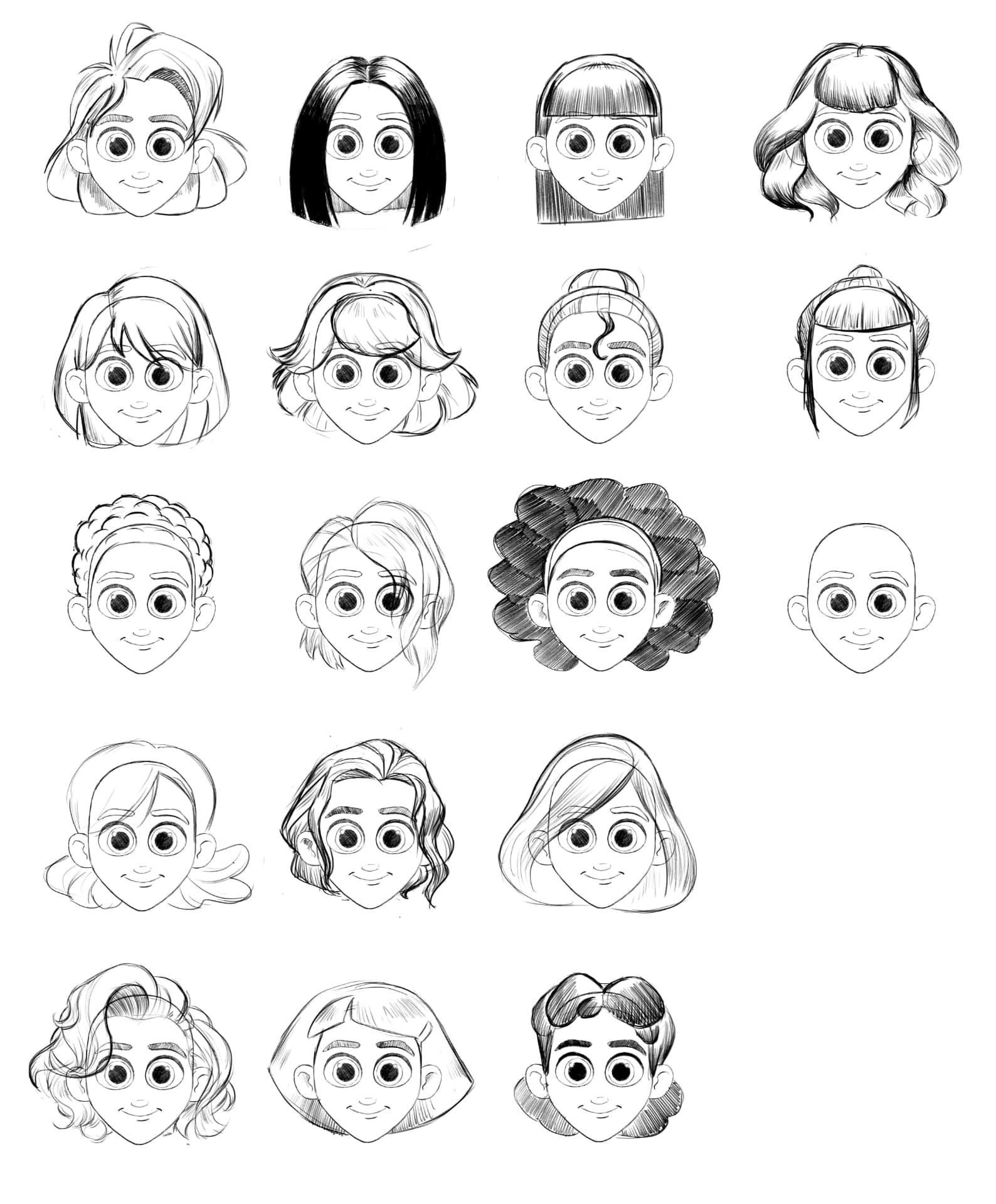
Build a flexible animation system for player avatars, working for thousands of possible combinations.
Deliver 30+ animations — expressions, reactions and full win/lose sequences — without bloating the game.
Keep the hand-drawn charm of the first pencil sketches alive all the way to game-ready rigs.
From pencil
sketch to
game-ready.
Research & expressions
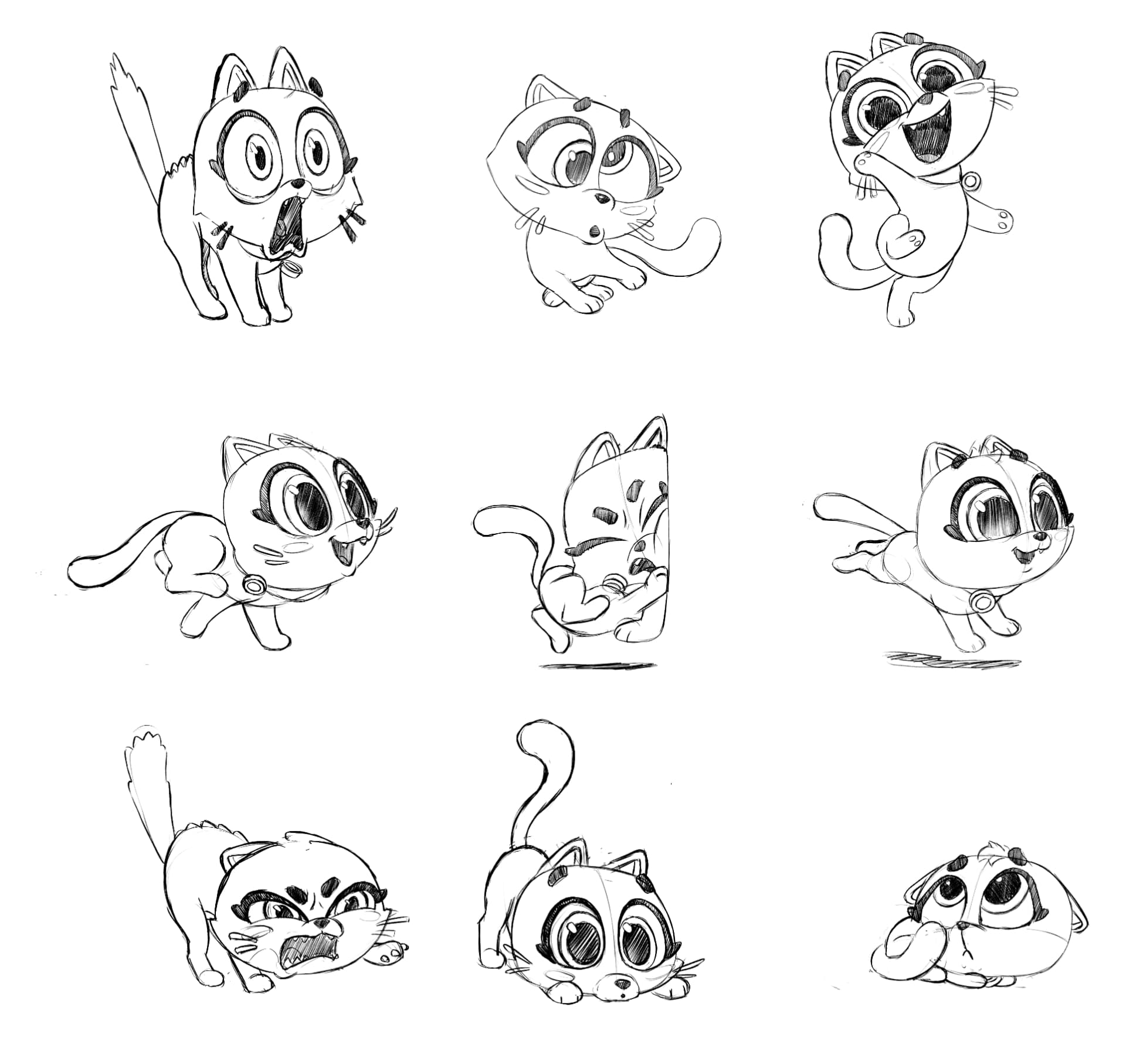
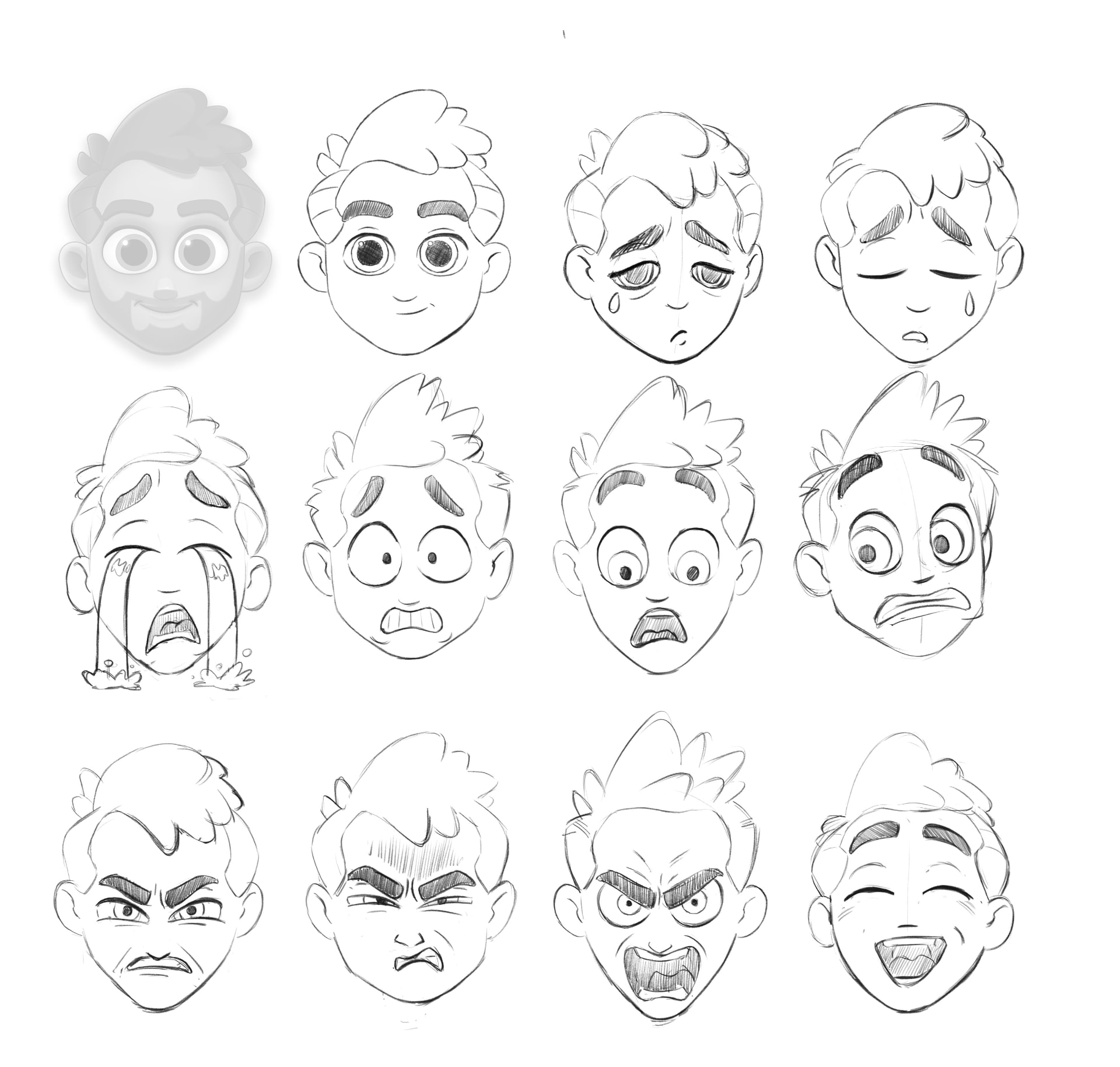
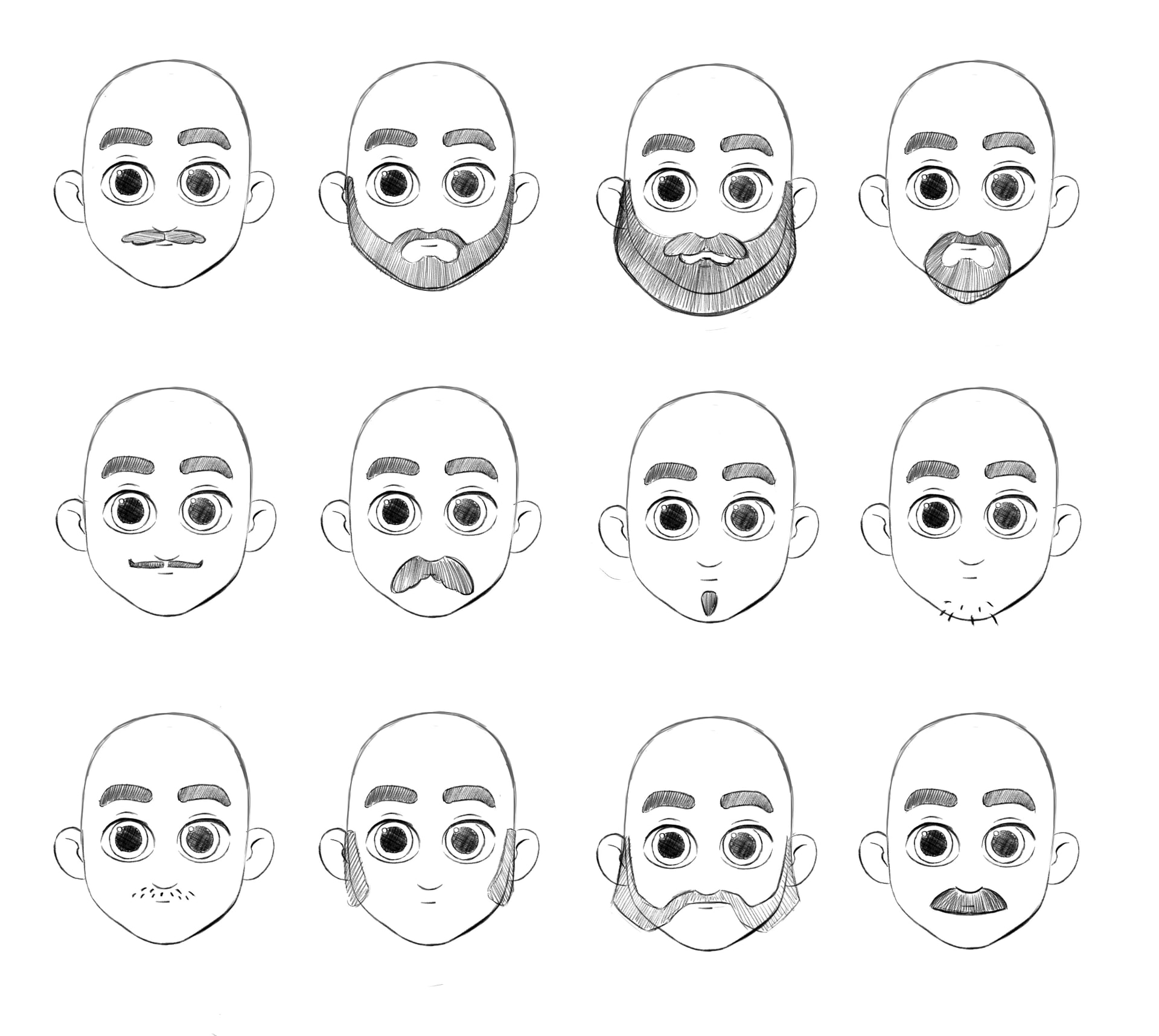
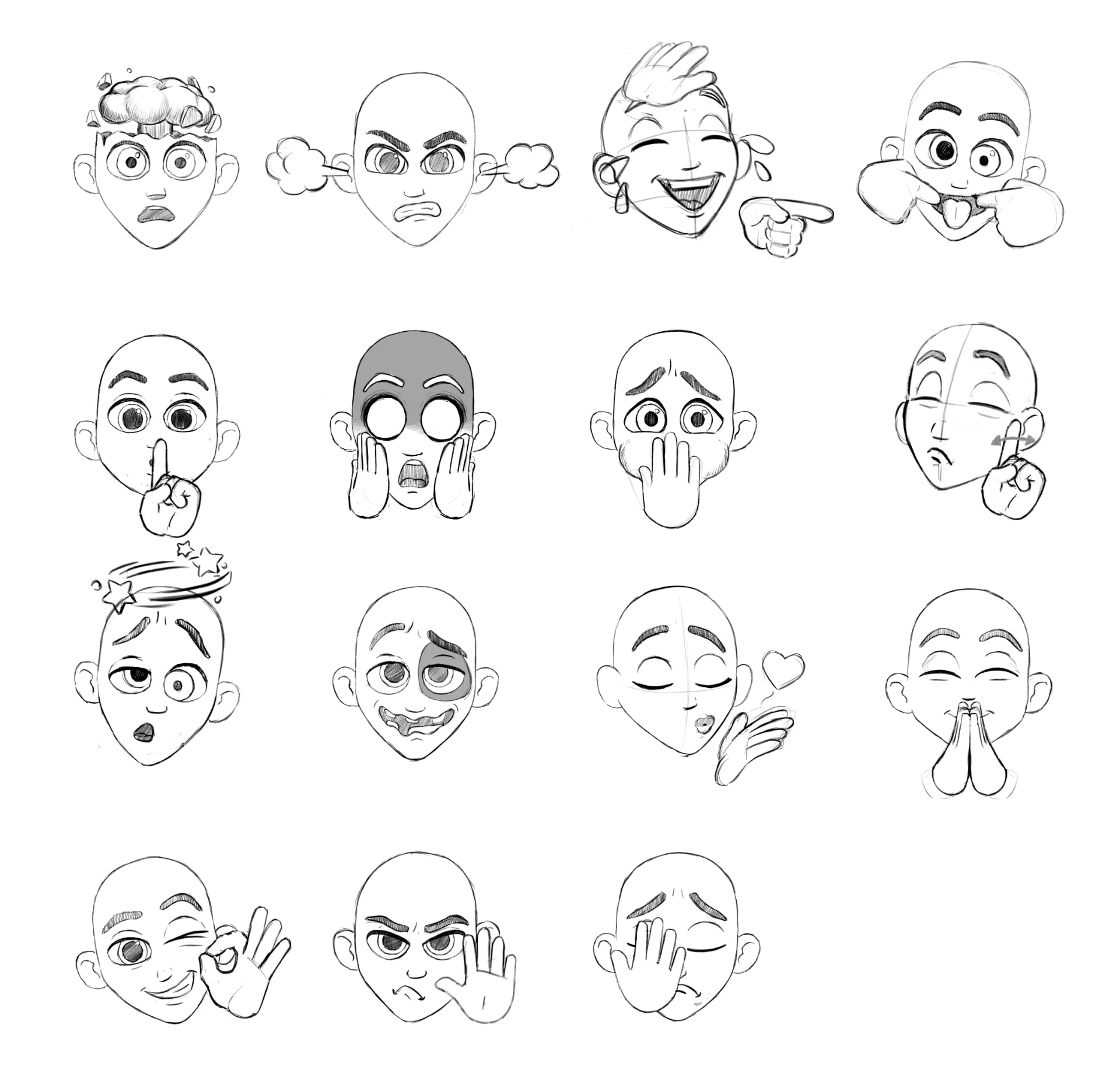
Everything started on paper. Pencil studies of Luna, Buddy and the avatar faces mapped each character's emotional range — happy, angry, surprised, sad — before a single bone was rigged. These sheets became the reference for every animation that followed.
Rigging in Spine
The characters were rigged in Spine with a focus on expressive faces: separate controls for eyes, brows and mouths, built to be reused. The same rig philosophy was applied to the player avatars, so one setup could carry any combination.
The animation system
Rather than animating every scenario by hand, the animations were built as a modular system — expression clips, reactions and sequence templates that slot together. That is what makes the system work for thousands of avatar combinations.
Polish & integration
Win/lose sequences, gameplay feedback and social cuts were tuned together with the game team, keeping timing, squash and stretch consistent across the whole game.
A living,
breathing
world.
Pet Panic shipped with a complete character animation system: over thirty animations covering Luna's and Buddy's full emotional range, rigged faces that could act as well as move, and an avatar setup flexible enough for thousands of player combinations.
The same rigs drove everything inside the game — from small gameplay reactions to full win/lose sequences — and out of it, into trailers and social edits.
- 30+Animations delivered
- 2Heroes rigged in Spine
- 1000sAvatar combinations supported
- 1Modular animation system